
No, dermaplaning will not make your hair grow back thicker, darker, or faster. The treatment removes fine facial hair at the surface, but it does not touch the hair follicle, which is the part of the skin that controls how hair grows. Your hair will return with the same color, thickness, and growth rate it had before. Below, we explain why the myth “Will Dermaplaning Make My Hair Grow Back Thicker?” persists and what you can expect after a session at Butterfly Medspa in Spring, TX.
Dermaplaning is a non-invasive skin treatment that exfoliates the outer layer of the face. It removes dead skin cells along with the soft, fine hair often called “peach fuzz.” This hair is known as vellus hair. It is thin, light in color, and covers much of the face.
At our office, we offer Dermaplaning for patients who want smoother texture and a brighter tone without needles. Many patients notice their skin looks fresher right away. Makeup also tends to go on more evenly once the surface buildup and fine hair are gone.
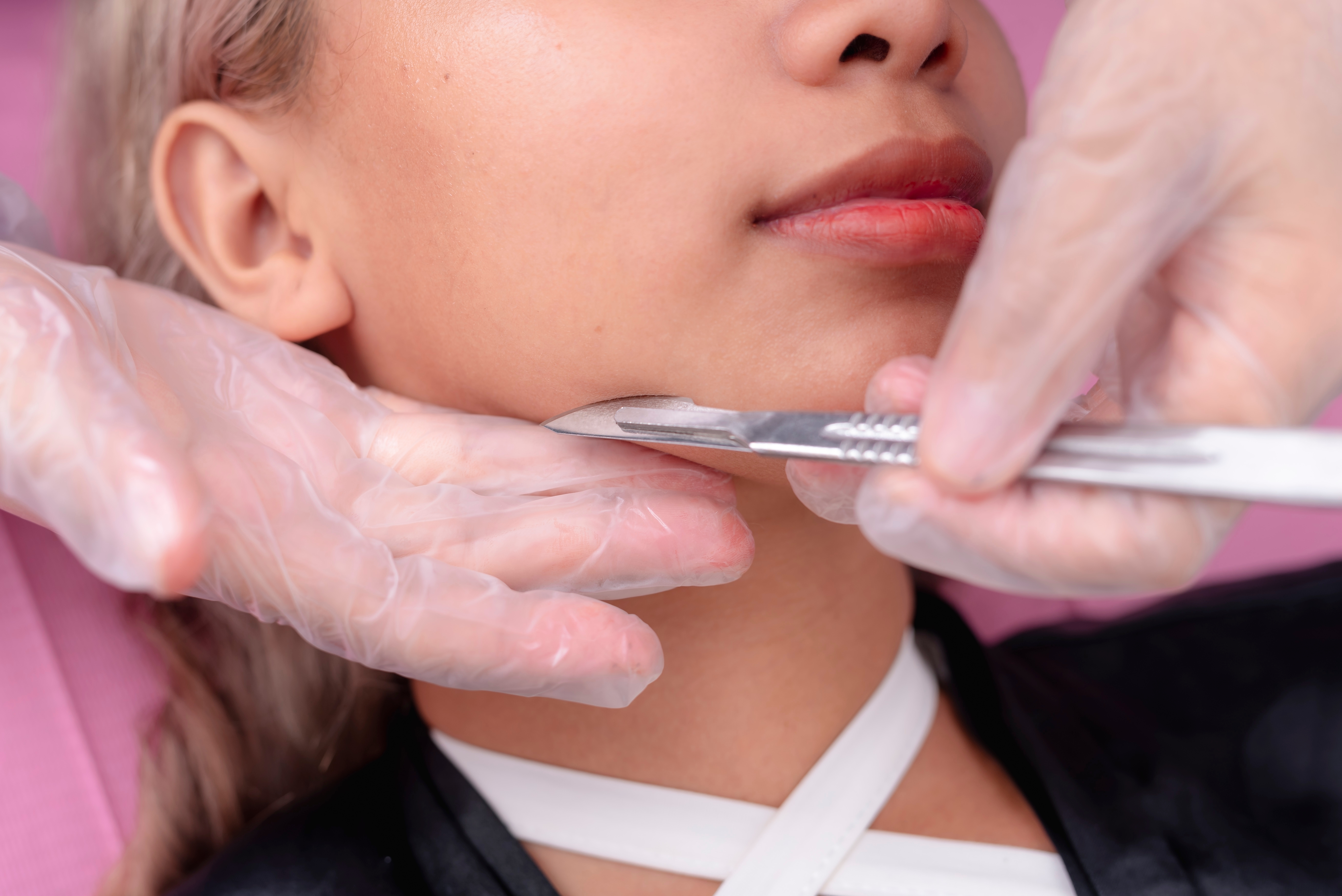
Dermaplaning uses a sterile blade to gently clear away the top layer of dead skin and vellus hair. The blade works only on the surface. It does not reach below the skin to the root of the hair.
Removing this outer layer helps reveal the fresher skin underneath. It also allows serums and moisturizers to absorb more effectively. For this reason, many patients pair dermaplaning with Skincare to support their results at home.
Many patients ask us, “Will dermaplaning make my hair grow back thicker?” It is one of the most common concerns we hear. The worry usually comes from experience with shaving other areas of the body, such as the legs. Let us look at where this belief comes from and why it does not hold up.

Dermaplaning does not change the thickness or color of your hair. Hair color comes from pigment made inside the follicle. Hair thickness is also set at the follicle. Since the blade only works on the surface, it cannot affect either one.
The myth exists because of how cut hair feels as it grows out. A natural hair has a soft, tapered tip. When the hair is cut at the surface, the new end is blunt. That blunt edge can feel coarser to the touch as it grows. It may also look slightly more noticeable for a short time because the end is flat. This is a change in feel, not a change in the hair itself.
Some patients worry that dermaplaning will cause them to grow a beard or develop dark stubble. This will not happen. Vellus hair is very different from the coarse terminal hair found on a man’s beard. Cutting vellus hair does not turn it into terminal hair.
If you already have darker or coarser facial hair, dermaplaning will not make it worse. However, it may not be the right method to address that type of hair. We discuss this further below.
The basic biology of hair explains why dermaplaning does not cause thicker regrowth. Every hair grows from a follicle beneath the skin. The follicle decides the hair’s width, color, and growth cycle. These traits are shaped by genetics and hormones, not by cutting the hair at the surface.
The same question has been asked about shaving for many years. The answer has stayed consistent. Cutting hair at the skin’s surface does not change how the follicle produces new hair. Dermaplaning works on the same principle as shaving, so the same conclusion applies.
In practice, our patients see their fine facial hair return looking and feeling much as it did before treatment. Any difference in texture during regrowth fades as the hair grows longer.
Most patients enjoy smooth, soft skin right after their session. Understanding what happens next can help you feel confident about your results.

Fine facial hair usually begins to return within a few weeks. The exact timing varies from person to person because each follicle follows its own growth cycle. The hair that returns will match your natural vellus hair in color and thickness.
During the early stage of regrowth, you may notice the blunt tips described earlier. This is normal. The hair will soften in feel as it grows out.
If regrowth feels slightly rough, a few simple habits can help:
Keep your skin moisturized to soften the feel of new hair.
Use gentle cleansers rather than harsh scrubs.
Apply sunscreen daily, since freshly exfoliated skin is more sensitive to the sun.
Avoid picking or rubbing the area.
Most patients find that regular sessions keep their skin smooth and their fine hair less noticeable. Many choose to combine dermaplaning with Facials for a more complete skin care routine.
If you still find yourself wondering, “Will dermaplaning make my hair grow back thicker?” the answer remains no. Still, it is worth paying attention to your hair after treatment. If you notice a sudden increase in facial hair, especially darker or coarser hair, the cause is not dermaplaning. Changes such as these can be linked to hormones or other health factors. It is a good idea to talk with a medical provider about them.
For patients who want to reduce facial hair over the long term, Laser Hair Removal may be a better fit. Unlike dermaplaning, laser treatment targets the follicle itself. This can reduce regrowth over time. We can help you decide which approach suits your goals.
Dermaplaning works well for many skin types, but it is not ideal for everyone. Knowing your skin’s needs helps you get the most from the treatment.
Dermaplaning may be a good option if you:
Want smoother, brighter skin with no downtime
Have dull skin or visible buildup of dead skin cells
Notice fine facial hair that traps makeup or oil
Want your skincare products to absorb more effectively
Prefer a non-invasive treatment without needles
Some skin conditions call for a different approach. If you have active breakouts, dermaplaning may irritate the skin. In that case, our Acne Treatment options may be a better place to start. Patients with very sensitive skin, rashes, or certain skin conditions should also have their skin assessed first.
Dr. Ben Cilento, our plastic surgeon, and our team can review your skin and goals. Together, we can build a plan that may include dermaplaning, other aesthetic treatments, or a mix of both.
Dermaplaning does not make hair grow back thicker, darker, or faster. It removes fine hair and dead skin at the surface without affecting the follicle. Regrowth may feel slightly blunt for a short time, but the hair itself does not change. For smoother, brighter skin, dermaplaning is a simple option. For long-term hair reduction, laser treatment may be the better choice.